
Some destinations are easy to admire from a distance. They look beautiful in photographs, sound impressive in travel guides, and appear on countless “must-visit” lists. But then there are places that feel different once you arrive. They slow you down. They invite you to look closer. They stay with you long after the trip is over.
Bordeaux is one of those places.
For many travelers, Bordeaux is first associated with wine — and for good reason. The region is home to some of the most famous vineyards in the world, with names that carry a sense of history, craft, and deep connection to the land. But to think of Bordeaux only as a wine destination is to miss what makes it truly special.
Bordeaux is a place of river light and limestone villages, quiet vineyard roads, elegant architecture, long lunches, and small discoveries that unfold slowly. It is a region where wine is not just something poured into a glass, but something woven into the landscape, the meals, the conversations, and the rhythm of daily life.
A City That Feels Both Grand and Livable
The city of Bordeaux itself is often the best place to begin. Set along the Garonne River, it has the elegance of a major European city without feeling overwhelming. Its honey-colored buildings, wide squares, café terraces, and riverside walkways make it a wonderful place to explore on foot.
One of the loveliest ways to experience Bordeaux is simply to wander. Start near Place de la Bourse, where the famous Miroir d’eau reflects the city’s classical architecture in a shallow sheet of water. Continue along the river, pause for coffee, browse small shops, or sit in a square and watch the city move around you.
What makes Bordeaux memorable is not only its beauty, but its balance. It feels sophisticated without being cold, historic without feeling frozen in time, and polished without losing its warmth. There are museums, wine bars, markets, restaurants, and beautiful streets to explore, but there is also room to slow down and enjoy the feeling of being there.
The Vineyards Are Part of the Landscape
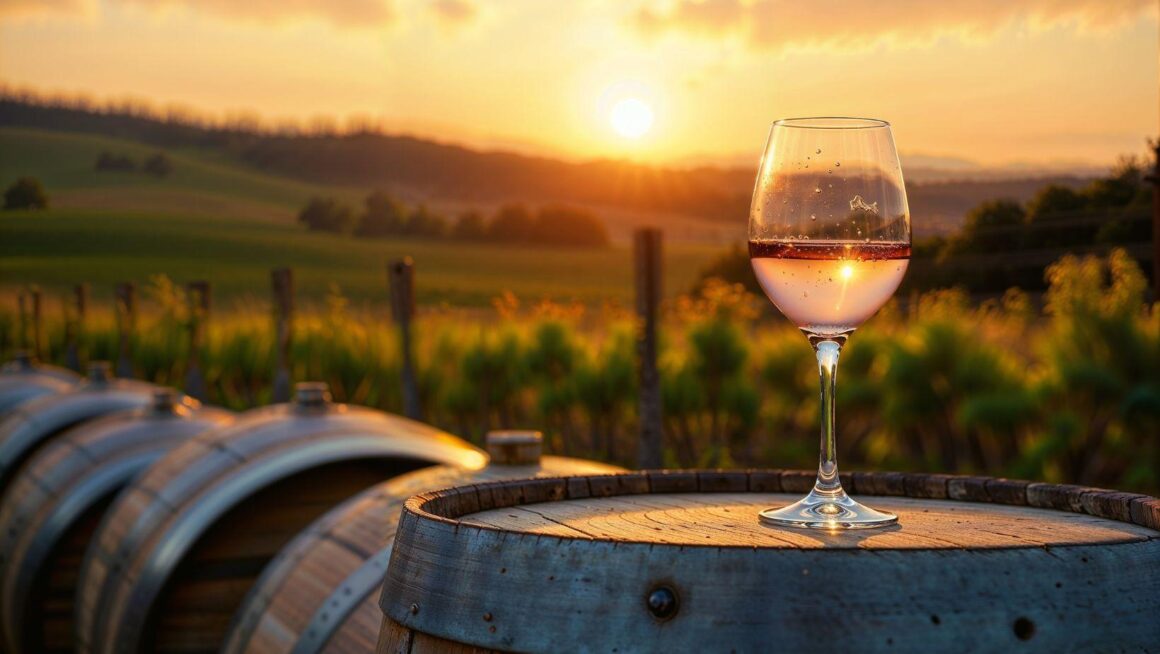
Of course, no visit to Bordeaux would be complete without time in the surrounding wine country. But the magic of the region is not just in tasting world-class wine. It is in seeing where that wine comes from.
A short drive from the city brings you into landscapes of vines, stone châteaux, quiet lanes, and villages that seem to belong naturally to the land around them. Each area has its own character. Saint-Émilion feels storybook-like, with medieval streets, limestone buildings, and vineyard views stretching beyond the village. The Médoc is known for grand estates and long roads lined with vines. Pessac-Léognan sits closer to the city, making it an excellent choice for travelers who want a wine-country experience without going too far.
For travelers planning a wine-focused trip, it is worth reading this guide to the best wineries and vineyards to visit in Bordeaux before deciding where to go. Bordeaux is a large and layered region, and choosing the right estates can make the difference between a standard tasting and a truly memorable day.
The best visits are not rushed. They give you time to understand the place, hear the story behind the estate, walk through the vines, and connect what is in your glass to the soil, weather, people, and traditions that shaped it.
Saint-Émilion: A Favourite Place Within a Favourite Place
If you only have time for one wine village outside Bordeaux, Saint-Émilion is a strong contender.
It is the kind of place that immediately feels special. Cobbled streets climb between old stone buildings, wine shops open onto narrow lanes, and vineyard views appear at the edges of the village. There is a sense of age and atmosphere here that makes it easy to understand why travelers fall in love with it.
But Saint-Émilion is not just pretty. It is also deeply connected to the history of wine in the region. The vineyards surrounding the village are part of its identity, and a visit here gives travelers a chance to experience Bordeaux in a way that feels both cultural and scenic.
Spend time walking the village before or after a winery visit. Stop for lunch. Look out over the vines. Visit the underground monuments if time allows. This is not a place to hurry through just to check it off a list.
Food, Markets, and Long Lunches
One of the pleasures of Bordeaux is how naturally food and wine belong together. Meals here do not need to be elaborate to be memorable. A simple lunch with local ingredients, a glass of regional wine, and a view of the vines can feel like the highlight of the trip.
In the city, markets and restaurants offer a wonderful introduction to southwestern French cuisine. Travelers can enjoy fresh seafood from the nearby Atlantic coast, duck, local cheeses, seasonal produce, pastries, and the famous canelé, a small caramelized pastry associated with Bordeaux.
In the countryside, meals often feel more connected to place. A vineyard lunch, a restaurant in a small village, or a terrace overlooking the vines can turn a day of sightseeing into something more immersive. Bordeaux is a reminder that travel is not only about seeing new places. It is also about tasting them, lingering in them, and letting them change your pace.
A Destination for Slow Travel
Bordeaux rewards travelers who do less, not more.
It can be tempting to plan a trip around as many winery visits as possible, especially in a region with so many famous names. But the best Bordeaux experiences often come from leaving space in the itinerary. One or two thoughtfully chosen visits in a day can be far more rewarding than rushing from estate to estate.
This is especially true if you want to understand the differences between the region’s wine areas. The Médoc, Saint-Émilion, Pomerol, Graves, and Pessac-Léognan each offer something distinct. Rather than trying to see everything, choose a few places that match your interests and give yourself time to enjoy them properly.
Slow travel in Bordeaux might mean spending a morning in the city, an afternoon in the vineyards, and an evening over dinner by the river. It might mean staying overnight in wine country instead of returning immediately to the city. It might mean choosing a smaller estate where the visit feels personal, or a historic château where the architecture and setting are as memorable as the wine.
Why Bordeaux Stays With You
The best travel memories are rarely just about famous landmarks. They are about moments.
In Bordeaux, those moments might be the reflection of the city at sunset, the smell of old stone after rain, a quiet vineyard road, a conversation with a winemaker, or a long lunch that stretches into the afternoon. They might be found in a glass of wine, but they are just as likely to be found in the spaces around it.
That is what makes Bordeaux such a worthy addition to any favourite places list. It offers beauty, culture, history, food, and wine, but it also offers a feeling — the sense of being somewhere deeply rooted, carefully made, and best experienced slowly.
For travelers who love destinations with character, Bordeaux is more than a wine region. It is a place to wander, taste, learn, and linger. And sometimes, those are the places we remember most.